

 Phone: 833-528-6612
Why Your Energy Bill May Be Higher Because Of Your Roof And Attic Insulation

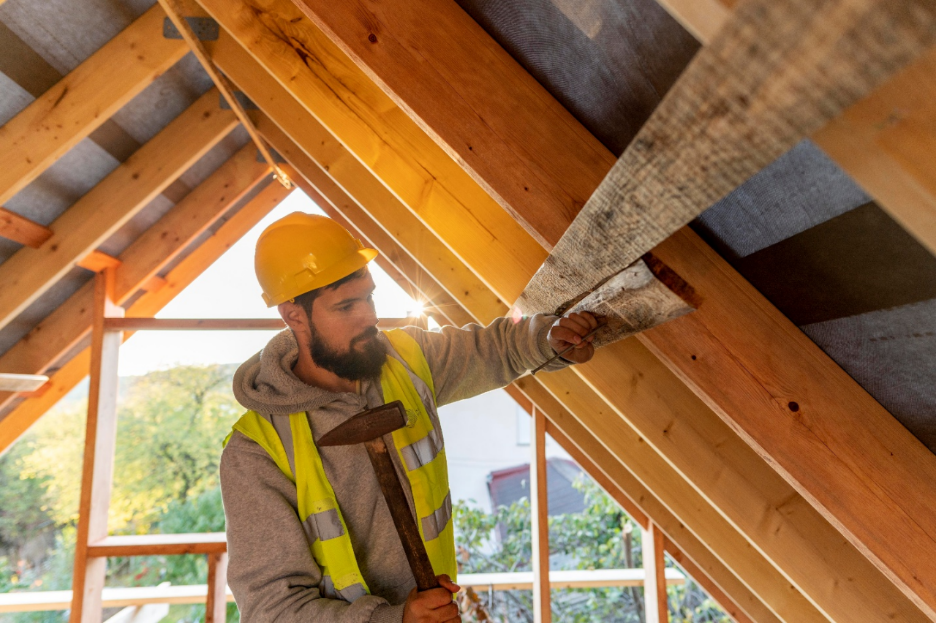
A high electric bill can come from more than the air conditioner, heater, or thermostat setting. Heat moves through the top of the house every day, so weak roof and attic insulation in Texas, TX can make indoor comfort harder to control. In summer, heat, storm wear, thin attic coverage, air leaks, and poor ventilation can force cooling equipment to run longer than it should.
This is why roof and attic insulation in Texas, TX should be reviewed together. The roof blocks weather from outside, while attic insulation slows heat flow between the attic and living space. When either part performs poorly, conditioned air escapes, hot attic air moves downward, and rooms become harder to cool or warm.
Homeowners comparing attic insulation services should start with a property inspection instead of guessing at materials. A trained specialist can review attic depth, air leaks, vents, recessed lights, roof condition, and moisture concerns before recommending the right upgrade.
How The Roof Affects Energy Use
Your roof takes direct sun, wind, hail, rain, and temperature swings. Dark or aging shingles can absorb heat. Damaged decking, gaps near penetrations, missing flashing, or storm damage can let unwanted air and moisture enter the system. Once the attic becomes too hot or damp, the rooms below can feel uncomfortable even when the HVAC system is working.
Roof and attic insulation problems in Texas, TX, often appear as uneven room temperatures. One bedroom may stay hot, the upstairs may feel stuffy, or the AC may run all afternoon. The roof, vents, attic floor, and insulation layer may be allowing too much heat transfer.
If roofing damage is also present, residential roof replacement may be smarter than adding insulation alone. Replacement can address worn roof parts, while attic work can improve thermal control under the roof deck.
How Attic Insulation Reduces Waste: Insulation slows heat movement. In summer, it helps limit heat moving from the attic into cooled rooms. In winter, it helps hold heated air inside the living area. The higher the R-value, the greater the resistance to heat flow.
Poor roof and attic insulation in Texas, TX makes HVAC equipment fight the same temperature problem every day. If insulation is thin, compressed, missing near eaves, damaged by moisture, or disturbed by pests, it can lose performance. Air leaks around attic hatches, plumbing openings, wiring, ducts, and recessed lights can add more waste.
For many Texas homes, R49 to R60 blown-in insulation may be recommended after an attic assessment. This gives the estimate a clear basis. It also helps the homeowner see why one attic needs a simple top-up while another needs sealing, fixture covers, vent correction, or roof repair before new insulation can perform correctly across the whole attic space.
Energy-Efficient Insulation Compared With Standard Coverage

Standard coverage may be the builder-grade insulation already inside an older attic. It may have settled, fallen below current comfort needs, or left gaps near attic edges. Energy-efficient attic work usually includes deeper coverage, air sealing, ventilation planning, and protection around heat-sensitive fixtures.
That is why attic insulation services should include more than adding loose material. The contractor should inspect existing insulation, measure depth, find gaps, check attic access points, and look for airflow problems. Energy bill savings come from the full attic system working better. The right material matters, but installation quality matters too.
Spray Foam, Fiberglass, Cellulose, And Mineral Wool
Homeowners often compare roof insulation materials before choosing a contractor. Each option has strengths and limits.
| Material | Common Benefit | Best Fit |
| Fiberglass batts | Lower material cost | Open, even attic areas |
| Blown-in fiberglass | Good attic coverage | Adding depth over old insulation |
| Blown-in cellulose | Dense recycled content | Filling gaps across attic floors |
| Spray foam | Air sealing and insulation | Complex leakage areas |
| Mineral wool | Fire resistance and sound control | Higher-performance upgrades |
| Reflective barrier | Radiant heat reduction | Hot climates with air space |
Spray foam can reduce air movement, but it costs more and must be installed correctly. Fiberglass batts are affordable but can leave gaps if cut poorly. Blown-in cellulose can cover attic floors well, while blown-in fiberglass is common for raising R-value. Reflective barriers can help reduce radiant heat gain when installed with an air space, but they are not a replacement for attic floor insulation.
The best roof insulation materials depend on attic layout, budget, climate, moisture risk, ventilation, and current insulation depth. Roof insulation materials should always be matched to the home instead of chosen from price alone.
Hot Climate And Winter Energy Loss Needs
Texas homes need insulation that can handle long cooling seasons. In hot climates, the goal is to slow attic heat transfer, protect airflow at the eaves, and avoid trapping moisture. Rafter vents or chutes can keep air moving from soffits to exhaust vents, reducing moisture risk and helping the insulation perform as planned.
In cooler months, roof and attic insulation in Texas, TX helps limit heat loss through the ceiling. The same attic upgrade that reduces summer cooling strain can also support winter comfort.
Eco-friendly choices may include cellulose with recycled content, fiberglass with recycled glass content, or upgrades that reduce HVAC run time.
Ventilation And Insulation Work Better Together
Attic ventilation and insulation should be planned as one system. Ventilation helps move heat and moisture out of the attic. Insulation helps slow heat transfer into living spaces. If vents are blocked by insulation, attic airflow can suffer. If insulation is added without air sealing, conditioned air may still leak out.A proper inspection should review soffit vents, ridge vents, gable vents, bathroom fan exhaust, duct leaks, and attic access points. Ventilation planning may also include rafter vents or chutes where needed. Energy bill savings are more realistic when the attic has coverage, sealing, and airflow working together.
Older Homes And Affordable Upgrade Paths
Older homes often have shallow insulation, old batts, open gaps, and utility penetrations that were never sealed. They may also have recessed lights that need proper covers before insulation is added. Smart Cap covers for non-IC-rated recessed lights can help protect fixture areas while surrounding spaces receive insulation.
Affordable attic insulation services may include adding blown-in material, sealing major gaps, insulating the attic hatch, protecting fixtures, and correcting blocked vents.
Choosing A Local Contractor

A good contractor should inspect before quoting. Homeowners should ask for photos, R-value recommendations, material options, ventilation notes, fixture protection, cleanup details, warranty terms, and financing information. Be cautious with guarantees that promise a fixed bill reduction before the home is assessed. Energy bill savings depend on utility rates, HVAC condition, duct leakage, thermostat use, home size, and existing insulation. Homeowners can also review roof financing options if insulation is part of a larger roofing project.
Comparing Local Providers
Many companies can add insulation, but roof and attic insulation in Texas, TX work is stronger when the contractor understands the full roofing system. A roofing specialist can review roofing condition, attic airflow, insulation depth, storm exposure, and gutter concerns in one visit.
Homeowners comparing attic insulation services should look for inspection quality, clear recommendations, fair pricing, material knowledge, and practical follow-up support. For roofing system concerns, residential roofing services can help homeowners review the roof before making insulation decisions.
Final Thoughts
High utility bills are often linked to heat movement above the ceiling. Weak insulation, roof damage, poor airflow, air leaks, and older materials can make HVAC equipment work harder than necessary.
Before choosing roof insulation materials, schedule an inspection. A specialist like RoofR360 can decide if the home needs added insulation, air sealing, ventilation work, roof repair, or full replacement. With the right plan, roof and attic insulation in Texas, TX can support comfort, protect the home, and create energy bill savings across more than one season.