

 Phone: 833-528-6612
SHOULD YOU REPAIR OR REPLACE YOUR ROOF? A TEXAS HOMEOWNER’S DECISION GUIDE

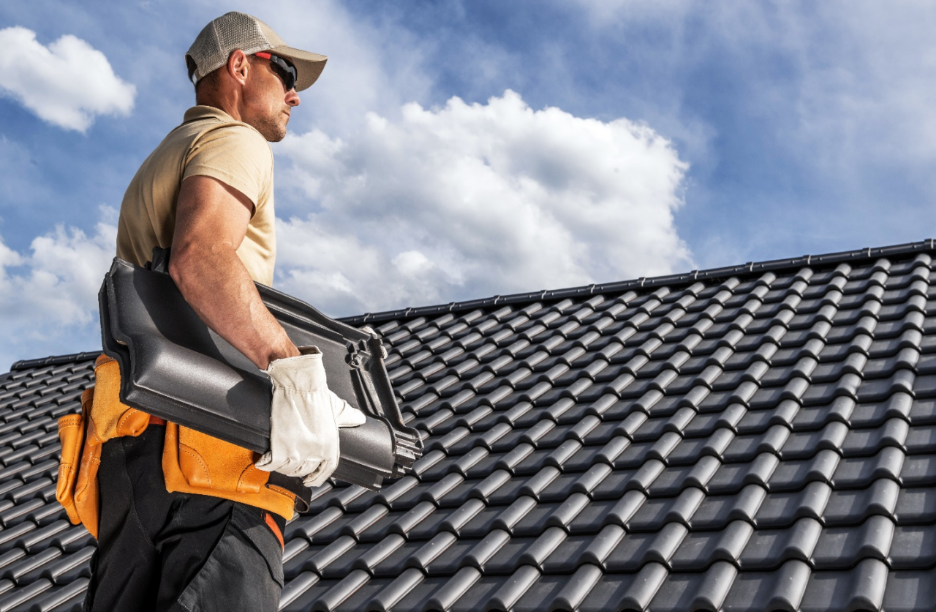
Your roof is your home’s first line of defense against Texas’ unpredictable weather. From intense summer heat and hailstorms to heavy rain and strong winds, it protects your family, belongings, and the structural integrity of your property. When damage occurs, one of the first questions homeowners ask is whether they need a roof repair or a complete roof replacement.
While repairing a roof is often the most affordable solution for minor, localized damage, extensive deterioration or an aging roof may make a roof replacement the smarter long-term investment. Understanding the difference between roof repair vs. roof replacement can help you avoid unnecessary expenses while protecting your home for years to come. In this guide, we will explain how to evaluate your roof’s condition, compare your options, and determine the best solution for your Texas home.
Start with an Honest Roof Inspection
Before deciding between a roof repair and a complete roof replacement, you need a clear understanding of your roof’s actual condition. The visible damage, whether it is a leak, missing shingles, or storm damage, is often only part of the story. A professional inspection should evaluate the entire roofing system, including shingles, flashing, underlayment, roof decking, ventilation, gutters, valleys, and other vulnerable areas. This is the most important first step when deciding roof repair vs. roof replacement.
At RoofR360, we believe every homeowner deserves honest, straightforward advice. That is why our experienced team performs thorough roof inspections to identify not only the obvious damage but also hidden issues that could lead to costly repairs later. Rather than recommending the most expensive solution, we provide a detailed assessment so you can choose the option that best fits your home, your budget, and your long-term plans.In many cases, a roof repair is the right choice when damage is confined to one area, the surrounding roofing materials remain in good condition, and the roof structure is still sound. However, if your roof has widespread damage, recurring leaks, multiple damaged sections, or has reached the end of its expected lifespan, a roof replacement often provides greater value and long-term protection.
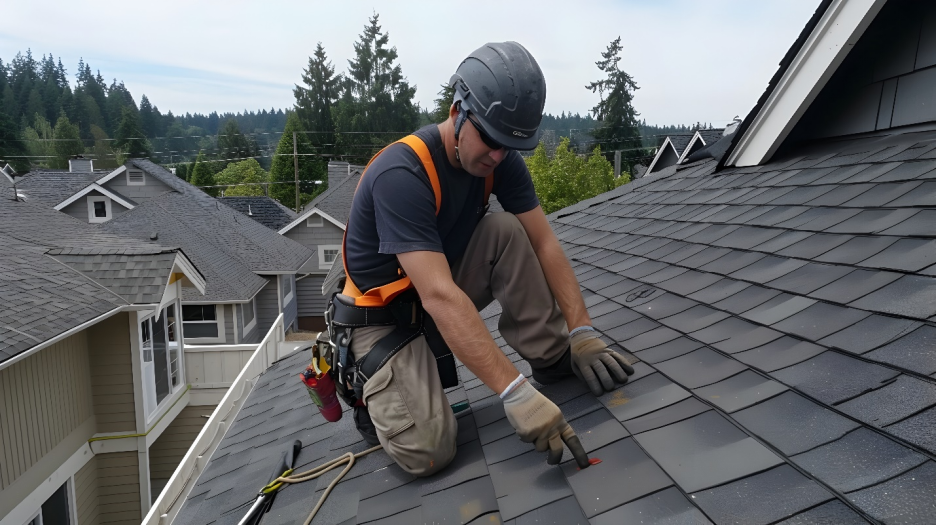
Texas weather makes this decision even more important. Intense UV exposure, high winds, hailstorms, heavy rain, and rapid temperature changes can weaken roofing materials over time, even when damage is not immediately visible at first glance. A small leak may simply need a repair, or it could be an early warning sign of larger underlying problems. An honest inspection reveals the difference, helping you confidently choose between roof repair vs. replacement while avoiding unnecessary costs and ensuring your home remains protected for years to come.
Assess the Extent of the Roof Damage Before Deciding
When comparing roof repair vs. roof replacement, the size and severity of the damage matter far more than the size of the leak itself. What appears to be a minor issue on the surface can sometimes indicate hidden structural problems beneath the shingles. That is why a professional inspection is essential before deciding whether to repair or replace your roof.
Damage That Can Often Be Repaired
A roof repair is typically the most practical and cost-effective option when the damage is localized, and the rest of the roofing system remains in good condition. Common examples include:
- Small, isolated roof leaks
- A few missing or damaged shingles after a storm
- Minor flashing damage around vents, skylights, or chimneys
- Limited wind or hail damage affecting one section of the roof
- Small areas where sealant or roofing components have worn over time
Addressing these problems early helps prevent moisture from spreading beneath the roofing materials, avoiding more extensive and expensive repairs later. Prompt action can also extend the lifespan of your existing roof, helping you maximize your investment while maintaining your home’s protection against future weather events.
Signs You May Need a Roof Replacement
Some roofing problems go beyond surface damage and affect the overall performance of your roof. In these situations, a roof replacement often provides a safer and more economical long-term solution.
Warning signs include:
- Multiple or recurring roof leaks
- Widespread cracked, curling, or missing shingles
- Sagging rooflines or soft spots in the roof deck
- Water damage, mold, or wood rot in the attic
- Damaged underlayment or compromised moisture barrier
- Large sections of storm, hail, or wind damage
These issues often indicate that the roofing system is no longer providing reliable protection and that repairs may only offer a temporary fix. Replacing the roof at the right time can eliminate recurring problems, improve your home’s energy efficiency, and reduce the risk of costly water damage in the future. It also gives you the confidence that your home is better prepared to withstand Texas’ demanding weather conditions for years to come.
Hidden Damage Can Be More Serious Than It Looks. One of the biggest mistakes homeowners make is assuming that a small leak means a small problem. Water can travel beneath shingles and soak the underlayment or roof decking long before visible signs appear inside your home. Over time, trapped moisture can weaken the roof structure, promote mold growth, and lead to costly structural repairs.
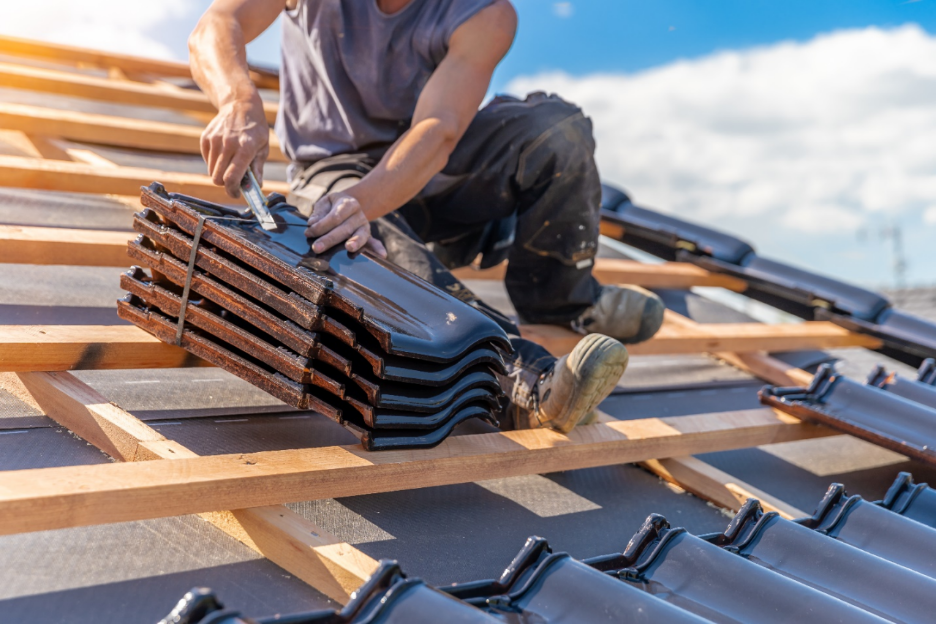
Although roof repair costs are generally lower upfront, repeated repairs on an aging or extensively damaged roof can quickly become more expensive than investing in a quality roof replacement. By accurately assessing the extent of the damage, you can choose the solution that offers the best value, protects your home, and delivers lasting peace of mind.
Roof Repair vs. Roof Replacement: Which One Makes Sense?
Not every roofing problem requires a complete replacement. In many cases, a timely roof repair can restore your roof’s performance and extend its lifespan. However, when damage is widespread or your roof is nearing the end of its service life, investing in a roof replacement is often the more practical and cost-effective solution.
The table below highlights the key differences to help you determine which option is best for your home.
| Choose Roof Repair If… | Consider Roof Replacement If… |
| ✅ Damage is limited to one section of the roof. | 🚩 Damage is widespread across multiple areas or roof slopes. |
| ✅ You have a few missing, cracked, or storm-damaged shingles. | 🚩 Shingles are curling, brittle, losing granules, or showing signs of extensive wear. |
| ✅ Leaks are recent and confined to flashing, vents, chimneys, or skylights. | 🚩 Multiple leaks keep appearing in different parts of the roof. |
| ✅ The roof is generally under 15 years old and in otherwise good condition. | 🚩 The roof is 20 years or older and approaching the end of its expected lifespan. |
| ✅ The roof deck and underlayment remain structurally sound. | 🚩 The roof decking, underlayment, or structural components have sustained moisture or storm damage. |
| ✅ Storm damage affected only a small area of the roof. | 🚩 Hail, wind, or fallen trees have caused extensive damage that compromises the roofing system. |
| ✅ Repair costs are relatively low compared to replacing the roof. | 🚩 Repair costs continue to increase or are approaching a significant portion of a new roof’s cost. |
| ✅ You want to address a minor issue before it becomes more expensive. | 🚩 You have already completed multiple repairs and problems continue to return. |
| ✅ You want to maximize the remaining life of a newer roof. | 🚩 You are planning to sell your home and want to improve curb appeal, resale value, and buyer confidence with a new roof. |
When in Doubt, Let the Inspection Decide
The right choice is not determined by the size of a leak alone, but by the overall condition of your roofing system. While roof repair is often the most economical solution for isolated damage, a roof replacement provides greater long-term value when your roof has widespread wear, recurring problems, or structural concerns.
A professional inspection can identify hidden damage that is not visible from the outside and help you compare the true cost of continued repairs versus installing a new roof. Making the right decision today can save you money, improve your home’s energy efficiency, and provide dependable protection against Texas weather for many years to come.
Conclusion
Choosing between roof repair and a roof replacement is not always straightforward, but making the right decision can save you thousands of dollars while protecting your home for years to come. The best choice depends on several factors, including the age of your roof, the extent of the damage, the condition of the underlying roofing system, and your long-term plans for your property.
At RoofR360, we believe every homeowner deserves honest advice, not unnecessary upselling. Our experienced roofing professionals perform comprehensive inspections to uncover both visible and hidden damage before recommending the most practical solution. Whether your roof only needs a targeted roof repair or it is time for a complete roof replacement, we will explain your options clearly so you can make an informed decision with confidence.
If you have noticed missing shingles, leaks, storm damage, or signs of aging, do not wait for the problem to become more expensive. Early action can prevent water damage, improve your home’s energy efficiency, and extend the life of your roofing system.
Schedule your free roof inspection with RoofR360 today and let our experts help you determine whether a roof repair or roof replacement is the best investment for your Texas home.
Frequently Asked Questions:
1. How do I know if I need a roof repair or a roof replacement?
If the damage is limited to a small area and the rest of your roof is in good condition, a roof repair is often enough. However, if your roof has widespread damage, recurring leaks, structural concerns, or is nearing the end of its lifespan, a roof replacement is usually the better long-term solution. A professional inspection is the best way to determine the right option.
2. How long does a roof typically last in Texas?
The lifespan depends on the roofing material and maintenance. Most asphalt shingle roofs last between 15 and 25 years in Texas due to intense heat, UV exposure, hail, and severe storms. Metal and tile roofs generally last much longer with proper care.
3. Can storm or hail damage require a full roof replacement?
Yes. While minor storm damage can often be repaired, severe hail or wind damage may weaken shingles, flashing, underlayment, or the roof decking across large sections of the roof. In these cases, replacing the roof provides more reliable protection than repeated repairs.
4. Is repairing a roof always cheaper than replacing it?
A roof repair usually has a lower upfront cost, but repeated repairs on an aging or heavily damaged roof can become more expensive over time. If repair costs continue to add up or a large portion of the roof is damaged, investing in a roof replacement often offers better long-term value.
5. Why is a professional roof inspection important before making a decision? Not all roof damage is visible from the outside. Water can travel beneath roofing materials and damage the underlayment, decking, or attic before leaks appear inside your home. A comprehensive inspection identifies hidden issues and ensures you choose the most cost-effective solution, whether that is a roof repair or a complete roof replacement.