

 Phone: 833-528-6612
ROOF REPLACEMENT COST IN TEXAS: WHAT HOMEOWNERS SHOULD EXPECT BEFORE BOOKING AN INSPECTION

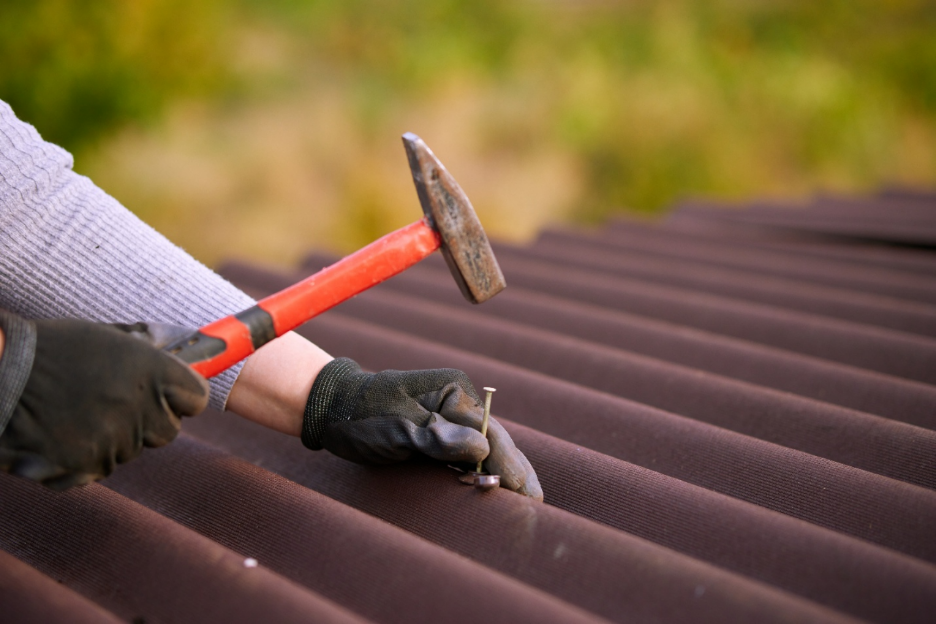
The roof replacement cost in Texas can feel confusing before anyone sees the property. A simple asphalt shingle roof may be far less expensive than a large two-story home with steep slopes, old decking, storm damage, damaged flashing, poor ventilation, or several roof levels. That is why a professional inspection matters before a homeowner compares prices.
For many homes, the roof replacement cost in Texas is affected by size, material, tear-off work, labor, disposal, permits, and the condition of the layers under the shingles. A good contractor should explain the findings clearly, then give a written price instead of a vague number over the phone. Homeowners reviewing a roof replacement estimate Texas should compare scope, not price alone. Homeowners who need residential roof replacement should start with an inspection, then review materials, warranty terms, payment options, and the expected project schedule.
Average Roof Replacement Cost In Texas
The roof replacement cost in Texas often reaches several thousand dollars and can move into a higher range for larger homes or premium materials. Asphalt shingles usually sit at the lower to mid price level. Architectural shingles cost more than basic three-tab shingles, but they usually give better appearance, stronger protection, and longer warranty options. Metal roofing, tile, slate, and specialty systems cost more because materials and installation take more labor.
A roof replacement estimate Texas homeowners receive should include more than the visible shingles. It should list tear-off, underlayment, flashing, vents, drip edge, starter shingles, ridge caps, cleanup, disposal, and any possible decking repair.
Main Factors That Affect the Final PriceThe roof replacement cost in Texas changes from home to home because every roof has a different layout. Size is the biggest factor, since roofing is priced by squares. One roofing square equals 100 square feet. A larger roof needs more shingles, underlayment, nails, ridge caps, labor, and debris removal.
Pitch also matters. A steep roof can take more safety planning and more time. Roof height can raise labor needs as well, especially on two-story or three-story properties. Valleys, chimneys, skylights, dormers, vents, and old flashing can also increase the scope.
A roof replacement inspection Texas homeowners request should check for soft decking, moisture, sagging areas, poor attic airflow, rotted fascia, damaged gutters, and storm wear. These items may not be visible from the ground.
Roofing Materials Texas Homeowners Usually Consider
Material selection has a direct effect on the roof replacement cost in Texas. Three-tab shingles are usually the budget option, but many homeowners choose architectural shingles because they look better and can handle weather exposure more effectively. Impact-resistant shingles may be a smart choice in hail-prone areas, especially for homeowners who want stronger surface protection.
Asphalt shingle roofing remains common because it works for many budgets and home styles. Metal roofing costs more upfront but can last longer with proper installation and care. Tile and slate can add a premium look, but the roof structure must be able to support the weight.
For residential roof replacement Texas projects, the best material is the one that fits the home, budget, warranty goal, and weather exposure. A contractor should explain the difference between basic price, lifespan, maintenance, and warranty coverage before asking for approval.
Signs It May Be Time to Replace the Roof
A homeowner may need replacement when repairs keep coming back. Missing shingles, curling shingles, granule loss, repeated leaks, ceiling stains, sagging roof sections, storm impact, and visible daylight in the attic can all point to deeper damage. Age matters too. If the roof is near the end of its expected life and repair costs are rising, replacement may be the better financial choice.
A roof replacement inspection Texas homeowners schedule after hail, wind, or heavy rain can help find hidden issues before water enters the home. Storm damage roof repair may solve isolated problems, but widespread damage may call for a full replacement plan.
What Happens During the Inspection

A professional inspection should begin with the current roof condition. The contractor should look at shingles, flashing, roof penetrations, gutters, attic airflow, decking concerns, drainage, and storm marks. Photos can help homeowners see what the contractor found.
After that, the contractor should discuss material choices and warranty options. A roof replacement inspection Texas visit should also include photos where possible. A clear roof replacement estimate Texas homeowners can trust should explain what is included, what may cost extra, and how the crew will protect the property during installation.
This step also helps with budgeting. A roof replacement inspection Texas service should give homeowners practical information, not pressure.
Timeline For A Residential Roof Replacement
Most standard asphalt shingle roof replacements can move quickly once materials are ready and weather cooperates. The process usually starts with consultation, inspection, written estimate, material selection, scheduling, tear-off, installation, cleanup, and final review.
Larger homes, rain delays, specialty materials, permits, decking repair, or storm season demand can extend the schedule. For residential roof replacement Texas projects, homeowners should ask how long the crew expects to be on site, how cleanup works, and how nails will be removed from driveways, yards, and walkways.
Warranty, Workmanship, And Contractor Checks
A new roof should come with clear warranty details. Homeowners should ask which warranty comes from the manufacturer and which comes from the contractor. Material warranties may cover product defects, while workmanship guarantees address installation-related problems.Before hiring, ask for proof of insurance, local references, written scope, business address, warranty details, payment terms, and project photos. Texas does not have one statewide roofing license for every roofer, so homeowners should verify credentials carefully through local rules, insurance paperwork, reviews, and references.
A contractor should also carry general liability coverage and workers’ compensation or a valid coverage plan. This protects the homeowner if property damage or worker injury occurs during the project.
Financing, Permits, Disposal, And Added Services
A roof budget can be easier to manage when financing is available. Some contractors provide monthly payment plans, promotional options, or lender-backed financing. ROOFR360 lists roof financing options for homeowners who want to review payment paths before committing.
Permits and inspections may depend on the city, county, material, and project scope. Homeowners should ask if the contractor handles permits, code checks, and final inspection coordination. They should also ask how old materials are removed.
Roofing companies may also provide gutters, attic ventilation, insulation, flashing, storm documentation, emergency tarping, and maintenance plans. If drainage is part of the problem, gutter installation may help protect siding, landscaping, and foundation areas after the new roof is installed.
Online Estimates And Consultations

An online form can be a helpful first step, but it should not replace a site visit. Roof size, pitch, damage, material, ventilation, decking, and access all affect pricing. A roof replacement estimate Texas homeowners get online should be treated as a starting range until an inspector reviews the property.
For residential roof replacement Texas planning, and every residential roof replacement Texas project, a consultation should cover the roof condition, material options, warranty terms, financing, schedule, cleanup, and next steps. Homeowners can request a free roof inspection to get a clearer path before choosing a project date.
Final Thoughts
The roof replacement cost in Texas depends on size, material, damage, labor, permits, disposal, and the quality of the contractor.
A careful inspection by an expert like RoofR360, written estimate, clear warranty, proof of insurance, and honest material guidance make the process easier to understand. Before booking, homeowners should compare the full scope instead of only the price. That is the safest way to choose a roof that protects the home, fits the budget, and supports long-term value.