

 Phone: 833-528-6612
HOW TO TELL IF YOUR TEXAS ROOF HAS STORM DAMAGE BEFORE IT STARTS LEAKING


Texas storms can be unpredictable, bringing powerful winds, hail, torrential rain, and flying debris that put even the strongest roofs to the test. While your roof is designed to protect your home, storm damage is not always obvious. In many cases, small cracks, lifted shingles, or hidden punctures allow moisture to enter long before you notice water stains on your ceiling.
By the time a leak appears indoors, the damage beneath your roof may already be extensive. Knowing how to identify storm damage to your roof early can help you avoid expensive repairs, mold growth, wood rot, and structural deterioration. In this guide, we will cover the most common warning signs that your Texas roof may have sustained storm damage, so you can address problems before they turn into major leaks.
Common Signs Your Texas Roof May Have Storm Damage
Not every roof leak starts with water dripping from the ceiling. In fact, many signs of storm damage to your roof appear days or even weeks before moisture makes its way inside your home. That is why it is important to inspect your property after every major storm, especially if your area experienced hail, high winds, or heavy rainfall.
You do not need to climb onto your roof to spot potential problems. A careful inspection from the ground, along with checking the inside of your home, can often reveal early warning signs that your Texas roof needs professional attention.
Look out for these common signs of roof storm damage:
- Water stains or discoloration on ceilings and walls, especially near corners, chimneys, skylights, or vents.
- Peeling paint, bubbling drywall, or warped trim, which often indicate moisture trapped behind interior surfaces.
- A musty smell in the attic or upper floors, suggesting hidden moisture, mold, or mildew caused by a slow roof leak.
- Missing, cracked, curled, or lifted shingles that leave your roof vulnerable to water intrusion after severe weather.
- Damaged or rusted flashing around vents, chimneys, and roof valleys where leaks commonly develop.
- Granules collecting in gutters or downspouts, a common sign that asphalt shingles have been damaged by hail or are wearing prematurely.
- Visible sagging areas on the roofline or ceiling, which may indicate water has weakened the roof decking or supporting structure.
- Moss or algae growth in isolated patches, often caused by moisture becoming trapped beneath damaged roofing materials.
If you notice even one of these warning signs after a storm, do not wait for a leak to appear inside your home. Early storm damage roof repair can prevent costly structural damage, mold growth, insulation problems, and much more extensive repairs later on.
Signs Your Roof Damage May Be Storm Related
Not all storm damage is readily visible. After severe weather, your roof may appear perfectly intact, while hidden damage slowly weakens its ability to protect your home. Texas weather is known for intense storms that bring hail, torrential downpours, strong gusts, and airborne debris, all of which can compromise your roof, even if the damage is not immediately visible. That is why it is important to inspect your property after every major storm and recognize the warning signs before they become expensive repairs.
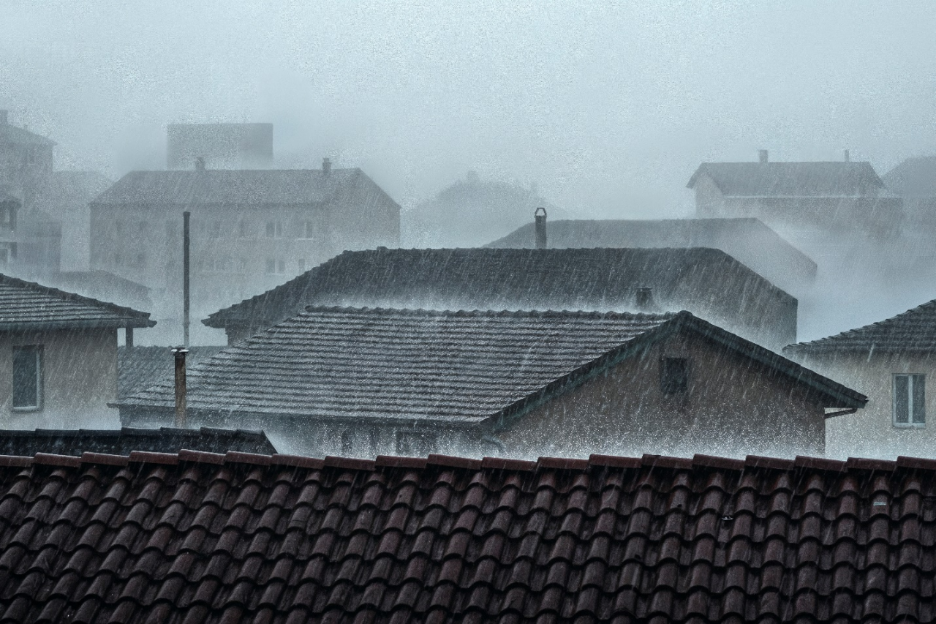
Here are some of the most common indicators that your roof storm damage may be related to recent severe weather.
1. Shingle Granules Collecting in Gutters
Asphalt shingles are coated with protective granules that shield your roof from sunlight, rain, and harsh weather. During a hailstorm or windstorm, these granules can become loose and wash into your gutters or collect around downspouts.
While a small amount of granule loss is normal as a roof ages, a sudden buildup after a storm often indicates hail damage to your roof. Without this protective layer, shingles deteriorate much faster and become more vulnerable to future leaks.
2. Damaged, Cracked, or Missing Shingles
One of the most common signs of Texas storm damage is damaged shingles. Hailstones can leave impact marks, cracks, or small dents that are difficult to spot without a close inspection. Likewise, powerful winds may lift, loosen, or completely tear shingles away.
Watch for:
- Missing shingles
- Cracked or broken shingles
- Curled or lifted edges
- Uneven sections of the roof
- Exposed roofing material
Even if only a few shingles appear damaged, water can penetrate the exposed areas and gradually damage the roof decking underneath.
3. Damaged Flashing Around Roof Openings
Flashing is the metal material installed around chimneys, skylights, vents, valleys, and roof joints to prevent water from entering your home. High winds, hail, or falling branches can loosen, bend, crack, or separate flashing without leaving obvious visible damage. Once flashing is compromised, rainwater can seep into areas that are otherwise well protected.
Professional roof inspections after a storm often uncover flashing damage that homeowners cannot safely identify from the ground.
4. Water Damage Inside Your Home
Sometimes the first evidence of storm roof damage appears indoors rather than on the roof itself. Moisture may travel through insulation before becoming visible, meaning the source of the leak is often much higher than the stain you see.
Pay attention to:
- Brown or yellow ceiling stains
- Peeling paint or bubbling drywall
- Damp attic insulation
- Musty odors
- Mold or mildew growth
- Active drips after rainfall
These signs should never be ignored, as they often indicate that water has already entered the roofing system.
5. Debris Impact and Fallen Branches
Texas storms frequently send tree limbs, patio furniture, and other debris airborne. Even relatively small objects can puncture shingles, crack tiles, dent metal roofing, or weaken roofing materials.
After a storm, inspect your yard for broken branches and look for fresh impact marks that can be seen from a safe distance. If a large limb landed on your roof, even if it has since fallen away, it is wise to schedule a storm damage roof inspection to identify hidden structural damage.
6. Sagging Roof Areas or Uneven Rooflines
A roof should always maintain a straight, consistent appearance. If you notice sections that appear to sag, dip, or bow after a storm, water may have penetrated beneath the roofing materials and weakened the roof deck. Structural issues often develop gradually, so do not assume a slight sag is harmless. Prompt evaluation can prevent much more extensive repairs later.
7. Your Neighbors Are Repairing or Replacing Their Roofs
Storm damage is often highly localized. If homes throughout your neighborhood are scheduling roof replacement, filing insurance claims, or having roofing contractors inspect their properties, your home may have experienced the same conditions.
Even if your roof appears undamaged, scheduling a professional inspection after a widespread Texas storm can uncover hidden issues before they develop into leaks. Early detection not only extends the life of your roof but also gives you the best chance of addressing damage before it becomes a much larger and more expensive problem.
What Should You Do If You Notice a Roof Leak?If you discover a roof leak or suspect your home has storm damage to your roof, do not wait to see if the problem gets worse. Even a small leak can quickly spread through insulation, drywall, and wooden framing, leading to water damage, mold growth, and expensive structural repairs.
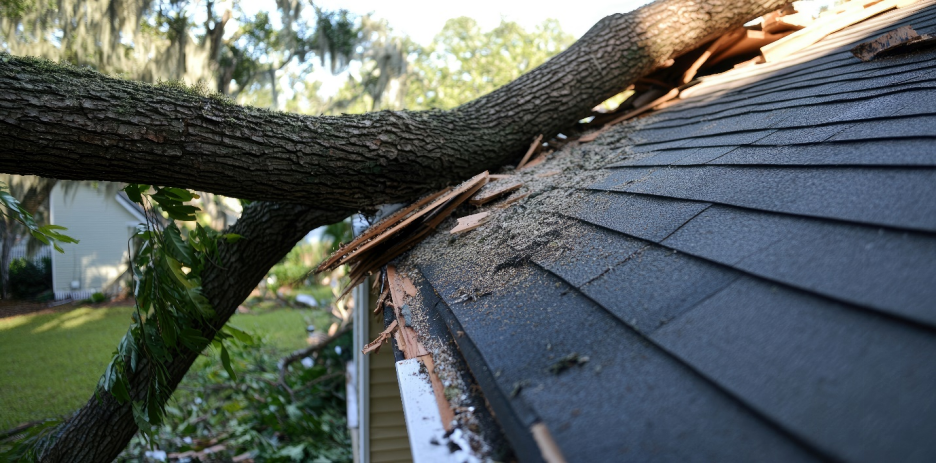
Acting quickly can minimize damage, improve the chances of a simpler repair, and may even help support your roof insurance claim if the damage is storm-related. Here are the most important steps to take if you notice a leak after severe weather.
- Contact a professional roofing contractor immediately: Schedule a roof inspection with an experienced contractor who specializes in storm damage roof repair. A professional can identify hidden damage, determine whether your roof needs repairs or replacement, and provide documentation if you need to file an insurance claim.
- Stay off the roof: While it is helpful to identify where the leak appears inside your home, never climb onto your roof yourself, especially after a storm. Wet roofing materials can be slippery and unstable, making them extremely dangerous. Leave the inspection to trained professionals with the proper safety equipment.
- Protect your belongings: Move furniture, electronics, rugs, and valuable items away from the affected area whenever possible. If water is close to electrical outlets or fixtures, avoid touching them and switch off the power to the area if it can be done safely.
- Contain the leaking water: Place a bucket, container, or towels beneath active drips to prevent additional damage to your flooring and belongings. If water begins pooling inside your ceiling, contact a professional immediately, as trapped water can eventually cause the ceiling to collapse.
- Document the damage: Take clear photos and videos of water stains, damaged ceilings, wet insulation, or any visible signs of roof storm damage. This documentation can be extremely helpful when filing a storm damage insurance claim or discussing repair options with your roofing contractor.
The most important thing to remember is that temporary measures are not permanent solutions. Prompt roof repair by a qualified professional is the safest and most effective way to restore your home’s protection and prevent further damage.
Can I Fix a Leak in My Roof Myself?
While it may be tempting to fix a roof leak yourself, it is rarely recommended. Roof leaks are often more complex than they appear, and the visible water entry point may not be where the actual damage exists. Walking on a storm-damaged roof can also be extremely dangerous, especially after rain or high winds.
Temporary patches may stop water briefly but often fail to address the underlying problem. A professional roof inspection can accurately identify the source of the leak and provide the appropriate roof repair or storm damage roof repair services, helping prevent further damage and more expensive repairs in the future.
The Bottom Line
A leaking roof is often the result of hidden storm damage that has gone unnoticed after severe weather. By recognizing the early warning signs and scheduling a professional roof inspection, you can address minor problems before they become major structural issues.
Whether your roof has suffered hail damage, wind damage, or water intrusion, acting quickly can protect your home, reduce repair costs, and extend the life of your roofing system. If you suspect your Texas roof has been damaged, do not wait for a small leak to become a costly emergency. Early action is always the best investment in your home’s long-term protection.
Contact Us for Emergency Leaking Roof Repairs
If you suspect storm damage to your roof or need fast emergency roof repair, the experienced team at RoofR360 is here to help. Contact us today for a professional inspection and reliable solutions.
RoofR360
14405 Walters Rd, Suite 603
Houston, TX 77014
Phone: 833-528-6612